
Expert Picks For Concrete Leveling Equipment
Find the most trusted tools and products recommended by professionals for achieving perfect concrete levels.
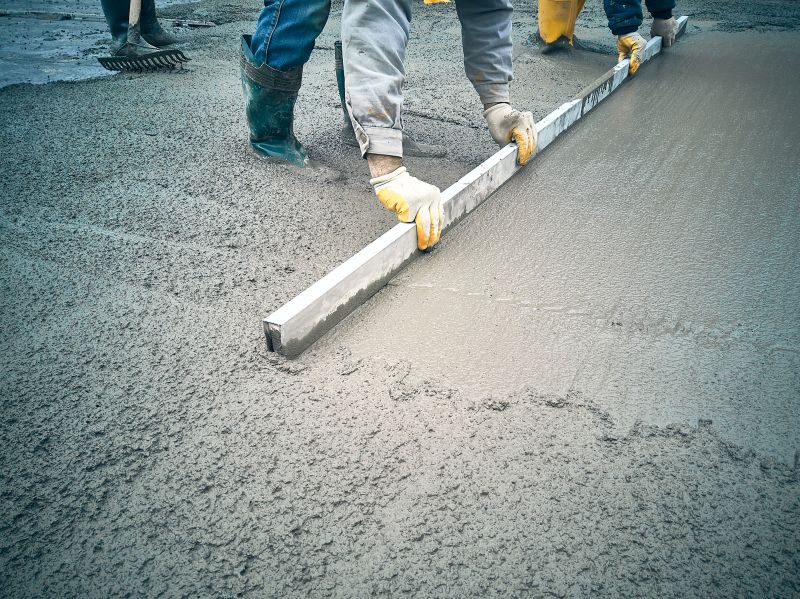 Concrete leveling is an essential process for maintaining the safety and appearance of various surfaces around residential and commercial properties. Over time, concrete slabs can develop unevenness due to soil movement, settling, or exposure to moisture. Properly addressing these issues can prevent further damage and create a safer environment. The market offers a diverse range of products designed to facilitate effective concrete leveling, from simple DIY solutions to professional-grade materials. Understanding the different types of products available can help homeowners and contractors select the most suitable options for their specific needs.
Top Overall Option
Polyurethane Foam Injection System
A versatile and minimally invasive solution, polyurethane foam injection systems are widely used for leveling and stabilizing uneven concrete slabs. They expand upon application to fill voids and lift slabs, providing a durable and quick-setting fix suitable for various project sizes. These systems are favored for their ease of use and ability to access hard-to-reach areas, making them a popular choice among professionals and DIY enthusiasts alike.
Types of Products For Concrete Levelings
Polyurethane Foam Kits
Injectable foam products designed to lift and stabilize slabs, ideal for uneven surfaces and void filling.
Self-Leveling Overlayments
Thin, pourable compounds that create a smooth, level surface over existing concrete.
Patch Repair Mixes
Ready-mixed or powder-based products used to fill cracks and minor surface imperfections.
Hydraulic Cement
Fast-setting cement used for sealing cracks and stabilizing foundations.
Cementitious Slurry
Fluid mixes used to fill small voids and surface imperfections.
Polymer-Modified Mortars
Enhanced mortars offering improved adhesion and flexibility for repairs.
Liquid Anchors
Specialized epoxies for anchoring and reinforcing concrete structures.
Concrete Resurfacing Products
Materials designed to restore the surface appearance and provide a protective layer.
Injection Ports and Equipment
Tools used to facilitate the injection of leveling materials into hard-to-reach areas.
Polyurea Coatings
Rapid-curing coatings that create durable, smooth surfaces.
Epoxy Resin Systems
High-strength adhesives for bonding and repairing concrete surfaces.
Grouting Materials
Fluid compounds used to fill gaps and stabilize foundations.
Fiber Reinforced Patches
Reinforced patches for structural repairs and surface leveling.
Crack Repair Kits
Complete kits for sealing and repairing surface cracks effectively.
Concrete Dyes and Stains
Coloring agents used to improve the aesthetic appearance after leveling.
Popular Choices
Widely used for their ease of application and effectiveness in lifting slabs.
Commonly chosen for creating smooth, even surfaces in interior and exterior settings.
Popular for quick sealing of cracks and minor repairs.
Favored for precision in injecting leveling materials into specific areas.
Selected for restoring the surface appearance of worn or damaged concrete.
Chosen for their flexibility and adhesion in patching applications.
Convenient options for addressing surface cracks efficiently.
Popular for structural reinforcement and bonding tasks.
Valued for their fast-curing properties and durability.
Used for structural repairs requiring added reinforcement.
Effective for filling small voids and surface imperfections.
Many concrete leveling products are formulated to be user-friendly, enabling easier application without specialized equipment. These include pourable compounds, patching mixes, and self-leveling overlays. For larger projects or more severe unevenness, specialized tools like injection systems and polyurethane foam kits are often preferred. It is important to consider factors such as the severity of the unevenness, the type of concrete, and the environmental conditions when choosing a product.
Proper preparation is crucial before applying any leveling product. This involves cleaning the surface thoroughly, removing loose debris, and ensuring the area is dry. Following manufacturer instructions carefully can lead to more consistent results. Additionally, safety precautions such as wearing protective gear and working in well-ventilated areas should be observed. With the right products and techniques, homeowners and professionals alike can achieve a more level and stable concrete surface that enhances the property's safety and visual appeal.
Whether addressing minor cracks or significant unevenness, selecting the appropriate concrete leveling products can make a notable difference in the durability and appearance of the surface. Regular maintenance and timely repairs using suitable products can extend the lifespan of concrete structures and reduce the need for costly replacements in the future.
Key Buying Considerations
- Assess the severity and extent of the unevenness or damage to determine the appropriate product type.
- Consider the size of the area needing repair to select suitable quantities and application methods.
- Evaluate whether a DIY solution or professional intervention is needed based on complexity.
- Check compatibility of the product with existing concrete surfaces and environmental conditions.
- Review drying and curing times to plan the repair process effectively.
- Identify if the product requires special tools or equipment for application.
- Determine the level of flexibility or reinforcement needed for the repair area.
- Ensure safety instructions are clear and proper protective gear is available during application.
- Look for products with good adhesion properties to prevent future issues.
- Consider the longevity and durability expectations for the specific repair or leveling project.
- Evaluate ease of use, especially if undertaking a DIY project for the first time.
- Research product reviews and ratings for insights into performance and user satisfaction.
- Verify that the product is suitable for the specific climate and moisture conditions of Grand Forks, ND.
- Check for any necessary surface preparation requirements prior to application.
- Assess the cost-effectiveness based on the size of the project and the product's coverage.